Recorded on
June 21, 2023

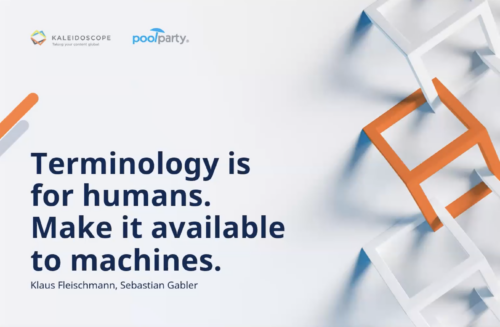
Taxonomies and terminologies can be seen as different sides of the same coin. However, the focus is quite different. Taxonomies make linguistic data available for machines and humans to distill knowledge and often to manage chaos. Terminologies harmonize language, make sure everyone uses consistent and correct words, and try to avoid chaos from the outset. Organizations obviously require both, so it is only natural for Semantic Web Company and Kaleidoscope to integrate their two platforms and offer a combined taxonomy and terminology management solution.
This presentation and demo show you:
- how to connect your Pool Party taxonomy to the Kalcium terminology suite
- and add terminology benefits to your existing data:
- human-grade, rich metadata, organizational decision workflows, and automatic guidance in word choice for authors and translators alike
Presented by Klaus Fleischmann and Sebastian Gabler
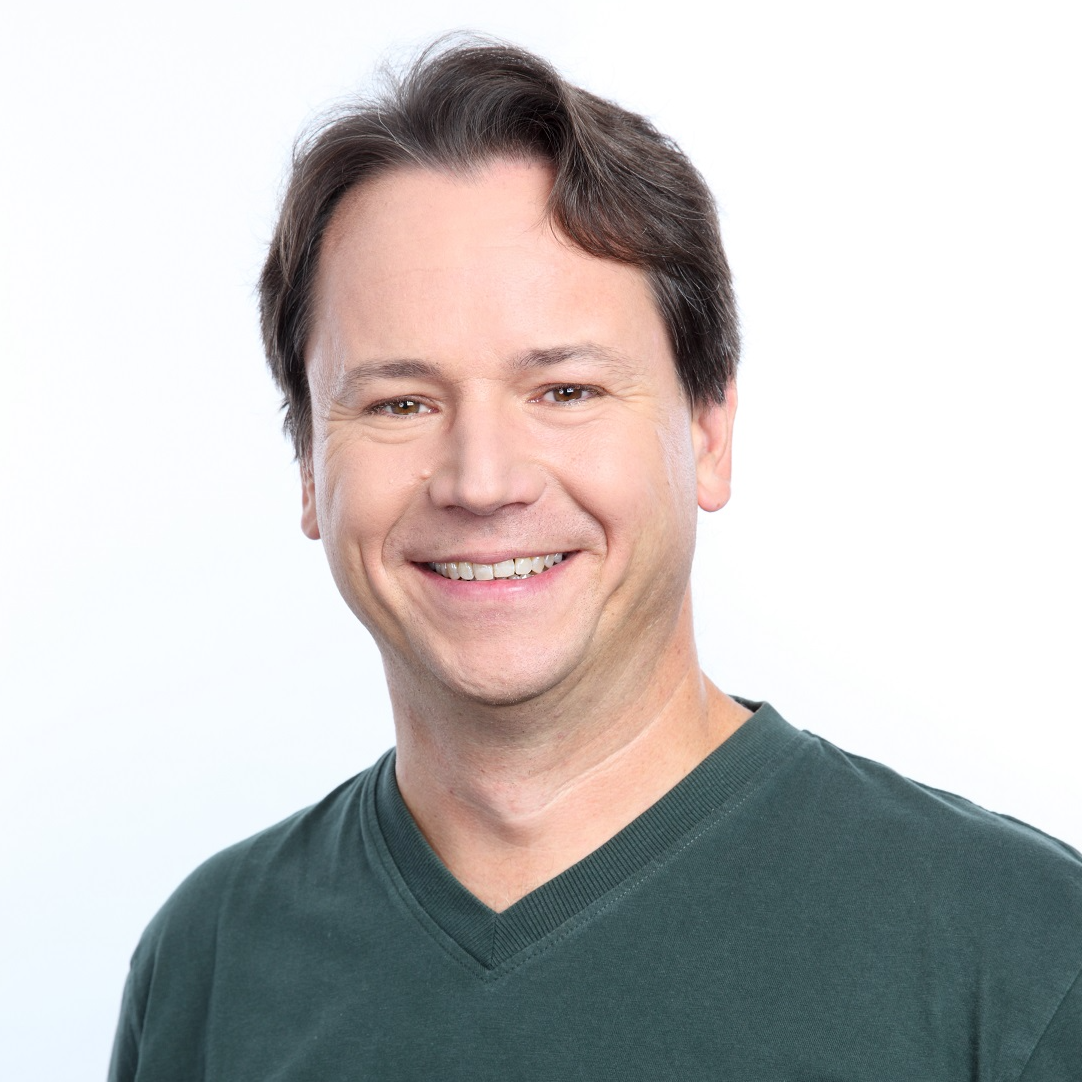
Klaus Fleischmann studied translation and IT in Vienna, and holds an MA in Conference Interpreting from Monterey, California, and a MAS in Technical Communication from Krems, Austria. In 1996, he founded Austria-based Kaleidoscope, a company implementing content, translation, and terminology management processes for internationally active companies. Kaleidoscope develops online collaboration software for enterprise-level terminology workflow, translator query management, in-country review, etc., making the translation quality process comprehensible and strategically manageable. In 2007, he became CEO of Austria´s leading LSP, Eurocom Translation Services. Always active in the industry, Klaus got voted into the Gala Board of Directors in 2015 and 2017.
 Sebastian Gabler originally trained as a Recording Producer with a diploma from the Berlin University of the Arts (UdK) and 5 years of music production for radio, TV, and the recording industry; he has been pursuing a career in archive and information management for over 15 years
In 2017, he joined Semantic Web Company in Vienna and was appointed Chief Customer Officer in 2020. In this position, he supports customers from all industries in developing intelligent applications with semantic AI. Sebastian has worked in various companies in the areas of technology, sales, and project management, including 11 years in the field of audiovisual archiving, and has recently completed his Master of Sciences in Library and Information Science.


 Tristan is Product Director at DeltaXML, a technology company with world-leading software products for the management of change in structured content. He has a deep understanding of DeltaXML’s product suite and loves to help customers create extra value in their content using change management. Tristan is a father to three daughters, a movie lover, and a keen runner.
 Mikael Lundahl works with language processes and language technology. From content creation to translation and publishing. From marketing material to technical documentation and software strings. His focus is on how terminology, with processes and tools, can support both the writing and translation processes.
Fodina Language Technology partners with and sells products from Kaleidoscope and Acrolinx. But Fodina also develops tools that help customers to build their company terminologies based on existing documentation, standards, or competitor's web information. AI-supported term extraction from many file formats and automated clustering of identified terms into concepts. Through integrations to both Acrolinx and Kaleidoscope products, we have full tool support for the terminology process that we recommend customers to use. Our tools support working with terms in English, German, and Swedish.
Mikael Lundahl works with language processes and language technology. From content creation to translation and publishing. From marketing material to technical documentation and software strings. His focus is on how terminology, with processes and tools, can support both the writing and translation processes.
Fodina Language Technology partners with and sells products from Kaleidoscope and Acrolinx. But Fodina also develops tools that help customers to build their company terminologies based on existing documentation, standards, or competitor's web information. AI-supported term extraction from many file formats and automated clustering of identified terms into concepts. Through integrations to both Acrolinx and Kaleidoscope products, we have full tool support for the terminology process that we recommend customers to use. Our tools support working with terms in English, German, and Swedish.


 Fabrice Lacroix is a serial entrepreneur and a technology pioneer. He has been working for 25 years on the development of innovative solutions around search technology, content enrichment and AI. He is the founder of Fluid Topics, the leading Content Delivery Platform that reinvents how users search, read and interact with technical documentation.


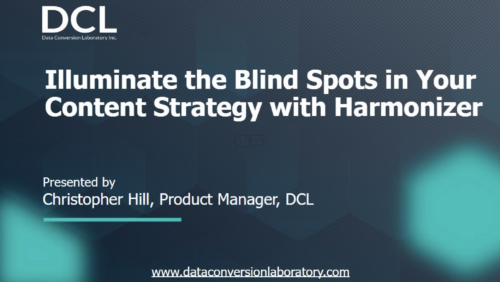

 Christopher Hill is the Technical Product Manager for Harmonizer at Data Conversion Laboratory. Chris is an experienced IT professional who started programming in the 1980s. Since the early 2000s, Chris’ experience includes work as a support engineer, product manager, and user interface designer, helping organizations transition data and content to modern digital formats and platforms.



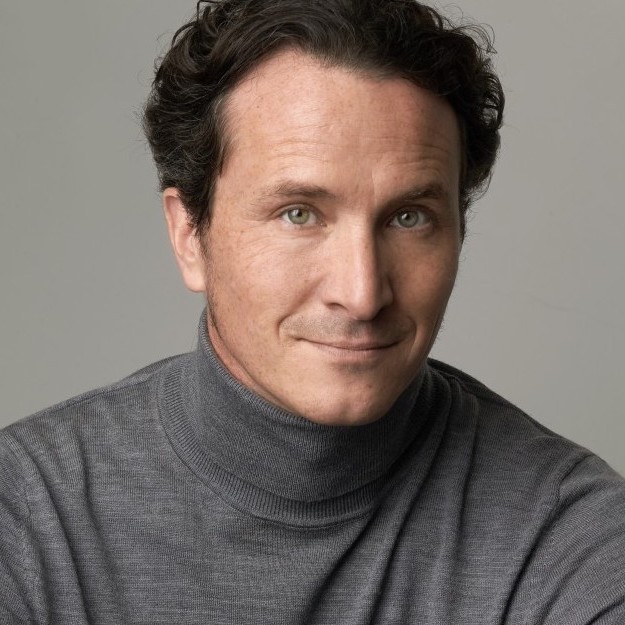 Daniel Nutburn is an accomplished executive and the Vice President of Global Partners and Alliances at Acrolinx. Daniel's got a wealth of experience in channel development, alliance management, and software solution selling. He's built an international partner network and has a solid track record of success with blue-chip and high-growth software companies.
Beyond his professional achievements, Dan is most proud of his ability to embarrass his daughters with his Karaoke singing and Cacti collection. LinkedIn:
Daniel Nutburn is an accomplished executive and the Vice President of Global Partners and Alliances at Acrolinx. Daniel's got a wealth of experience in channel development, alliance management, and software solution selling. He's built an international partner network and has a solid track record of success with blue-chip and high-growth software companies.
Beyond his professional achievements, Dan is most proud of his ability to embarrass his daughters with his Karaoke singing and Cacti collection. LinkedIn:  Jamila Elouazani is the Director of Partner Solutions, Global at Acrolinx, a leading content optimization technology for enterprise companies. With years of experience working in solution and product-focused environments, Jamila has honed her skills in providing technical support to businesses looking to close deals with Fortune 500 companies.

 Fabrice Lacroix is a serial entrepreneur and a technology pioneer. He has been working for 25 years on the development of innovative solutions around search technology, content enrichment and AI. He is the founder of Fluid Topics, the leading Content Delivery Platform that reinvents how users search, read and interact with technical documentation.

 Chip Gettinger is the VP of Global Solutions Consulting at RWS, he manages a team that works with customers in maximizing global content with RWS. He has experience working with customers to develop global content strategies, business ROI adoption drivers, change management, and technology adoption for component content management systems. He speaks and blogs about customer successes working closely with industry standards, partners, and customers in technology solutions and deployments.
with guests Bram Wessel and Bob Kasenchak, Factor Firm
Chip Gettinger is the VP of Global Solutions Consulting at RWS, he manages a team that works with customers in maximizing global content with RWS. He has experience working with customers to develop global content strategies, business ROI adoption drivers, change management, and technology adoption for component content management systems. He speaks and blogs about customer successes working closely with industry standards, partners, and customers in technology solutions and deployments.
with guests Bram Wessel and Bob Kasenchak, Factor Firm
 With more than two decades as a user-centered design and research professional, Bram Wessel believes that technology should enable natural experiences for real people. Bram has developed human-centered digital experience designs and strategies for such high-impact brands as Adobe, Amazon, Backcountry, the City of Seattle, Crate & Barrel, Disney, Expedia, GE, Group Health, Intel, Lionsgate, MasterCard, Microsoft, Nordstrom, Real, Safeco, Sony, Starbucks, Volvo, UW Medicine, and Warner Brothers.
A tireless advocate for the IA/UX discipline, with many articles to his credit, Bram is a frequent speaker at conferences such as the Information Architecture Summit, UX Week, Lavacon, Webvisions, ConveyUX, Seattle Design Festival, Taxonomy Bootcamp, and regional meetups and workshops. He is committed to educating the next generation of practitioners through his advanced User Experience and certificate Information Architecture classes at the School of Visual Concepts and as a guest lecturer at the University of Washington’s MCDM and MLIS programs.
Bram is a member of the Information Architecture Institute (IAI) and the Seattle chapter of the international Interaction Design Association (IxDA). Bram is a founding partner at Factor. In his spare time, Bram enjoys fly-fishing. shellfish farming, and making wine.
With more than two decades as a user-centered design and research professional, Bram Wessel believes that technology should enable natural experiences for real people. Bram has developed human-centered digital experience designs and strategies for such high-impact brands as Adobe, Amazon, Backcountry, the City of Seattle, Crate & Barrel, Disney, Expedia, GE, Group Health, Intel, Lionsgate, MasterCard, Microsoft, Nordstrom, Real, Safeco, Sony, Starbucks, Volvo, UW Medicine, and Warner Brothers.
A tireless advocate for the IA/UX discipline, with many articles to his credit, Bram is a frequent speaker at conferences such as the Information Architecture Summit, UX Week, Lavacon, Webvisions, ConveyUX, Seattle Design Festival, Taxonomy Bootcamp, and regional meetups and workshops. He is committed to educating the next generation of practitioners through his advanced User Experience and certificate Information Architecture classes at the School of Visual Concepts and as a guest lecturer at the University of Washington’s MCDM and MLIS programs.
Bram is a member of the Information Architecture Institute (IAI) and the Seattle chapter of the international Interaction Design Association (IxDA). Bram is a founding partner at Factor. In his spare time, Bram enjoys fly-fishing. shellfish farming, and making wine.



 Jacob Brennan is a Technical Sales Product Specialist at Stilo. He works with Stilo Migrate customers and aids in converting their legacy content to DITA. Jacob is a recent graduate from the University of Ottawa holding a BASc. in Mechanical Engineering and a BSc. in Computing Technology.